Spring is when home beard trimming goes wrong most often in Shelby. After a winter of growing under scarves and cold air, the beard comes out longer, drier from heated rooms, and shaped by months of small drifts, and the temptation is one big corrective session before the warm weather. Resist it. Seasonal beard care works the other way: small, rule-based tidying at home, and the real reshaping left to the barber's chair at Fresh Cutz Barbersh.
The seasons set the agenda. Spring is for assessment and gentle cleanup after winter dryness. Summer is about heat, sweat, and keeping the skin under the beard comfortable. Fall is when most men grow into a fuller shape, and winter is about moisture and leaving length alone. The home rules below hold all year, with the timing notes that keep them working.
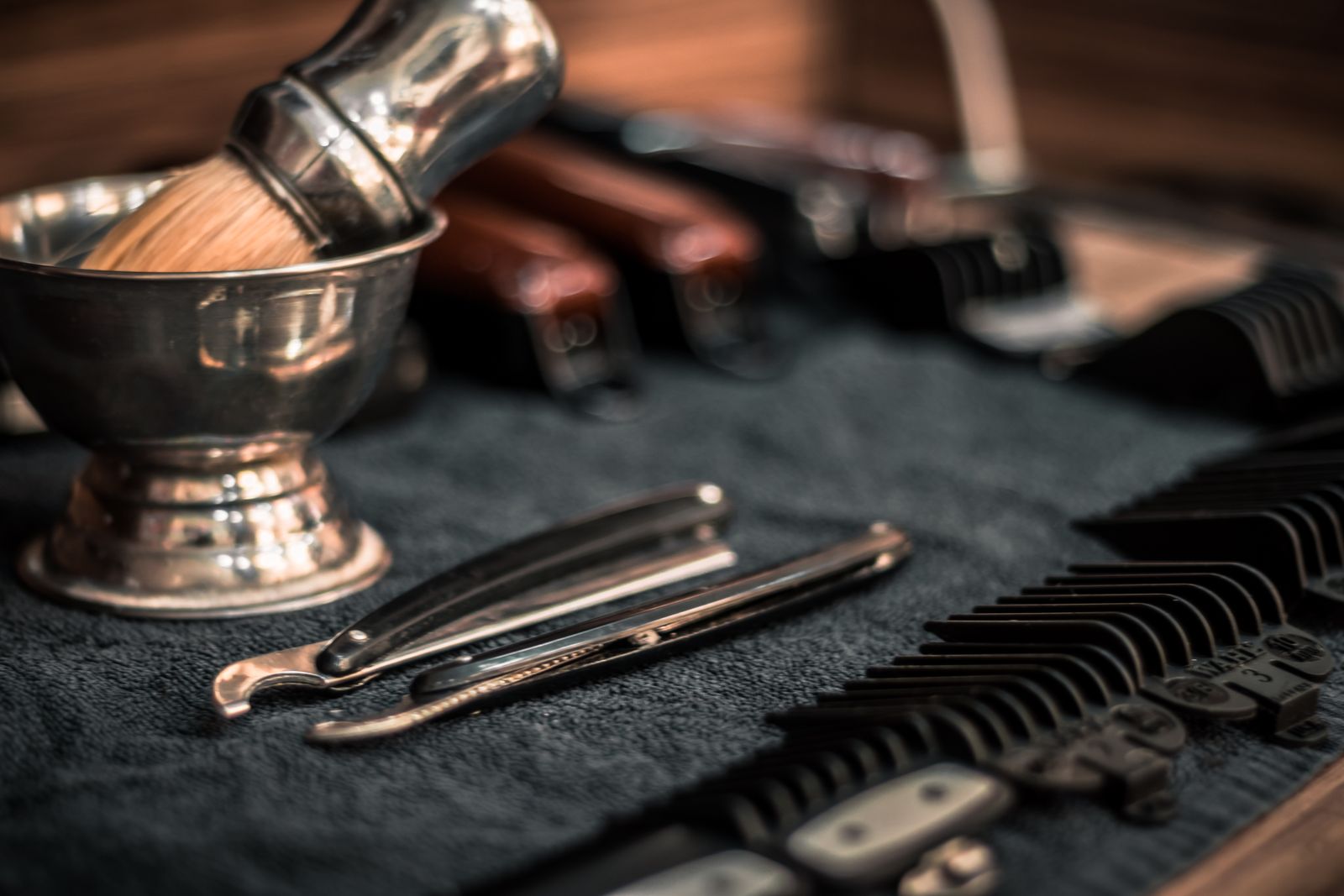
The neckline and cheeks: the only borders you own
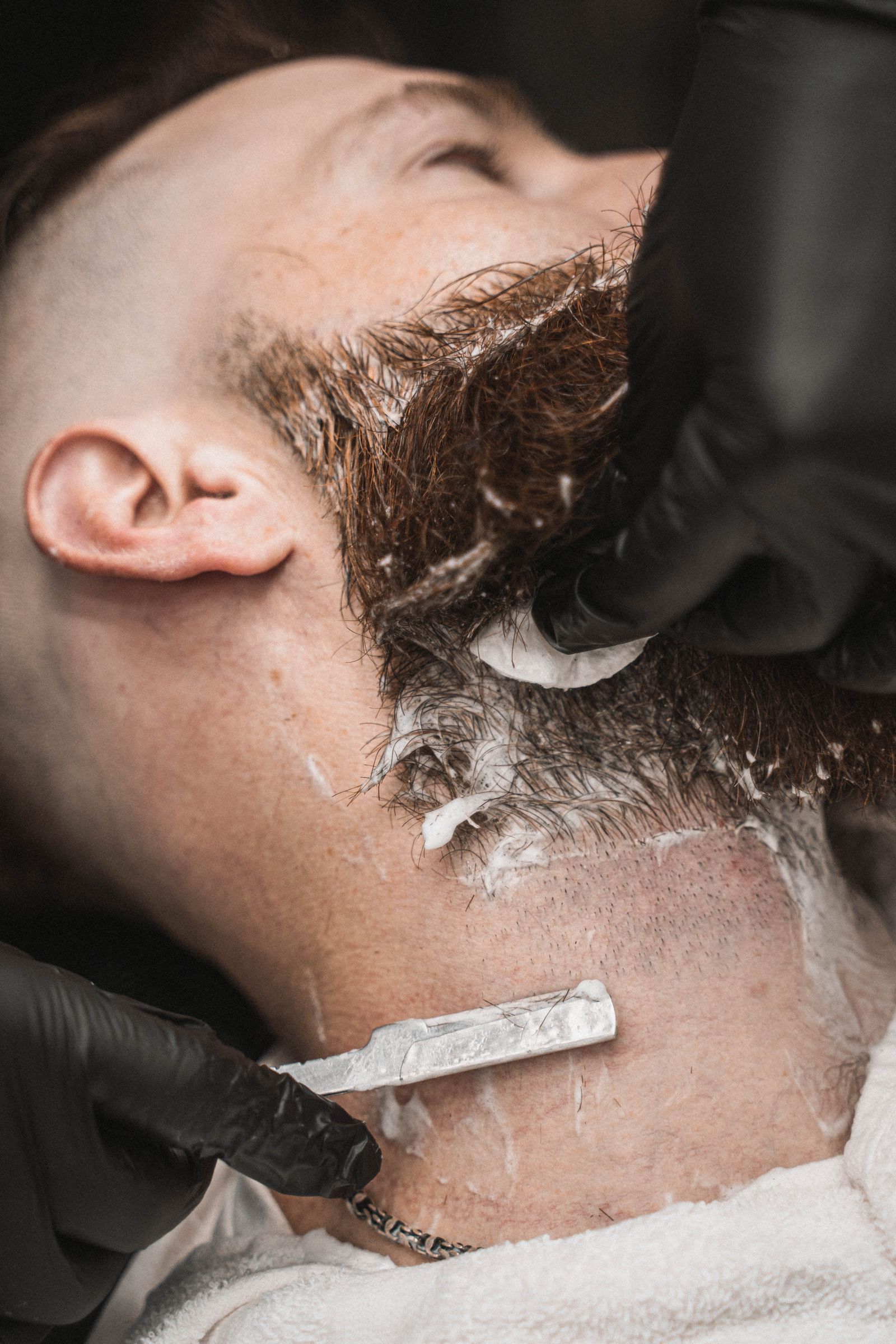
The two-finger rule sets the neckline. Place two fingers flat above your Adam's apple; the top of the upper finger marks roughly where the neckline belongs, sweeping up in a curve toward the bottom of each sideburn. Hair below that line is yours to clear at home. The line itself, its exact curve and height, belongs to the barber's shaping visit. Shifting it upward is the single most common home error and the slowest to grow out.
Cheek lines follow the same restraint. Clear only the scattered hairs well above the natural cheek line, one stray at a time, and never lower the line to make it look straighter. Beard hair grows in a natural border that is softer than a razor edge, and a slightly natural cheek line looks right at conversational distance, which is the only distance that matters.
Home beard session, in order
- Brush the dry beard fully downward and look at it in good light
- Check the neckline with the two-finger guide above the Adam's apple
- Clear only the hairs below that line, keeping the line itself where the barber set it
- Pick off scattered strays above the cheek line, one at a time, never lowering the line
- Trim hairs crossing the upper lip with small, symmetrical snips
- Oil lightly on a damp beard, brush with low heat to lay it down
- Snip single hairs that still stick out after oiling, nothing more
- Stop at ten minutes, even if it looks nearly rather than perfectly done
Oil, heat, and the daily lay-down
Most home frustration is not shape but behavior: a beard that puffs, waves against its cut, or feels wiry. Work a few drops of beard oil through while the beard is slightly damp, then brush downward with the growth. A hair dryer on low heat while brushing will lay a stubborn beard noticeably flatter, and the effect lasts most of the day. This ten-minute version of order solves the majority of what men try to fix by cutting.
Seasonally, increase oil in winter when indoor heat dries the beard, and rinse more in summer when sweat and sunscreen collect at the skin. Wash the beard with a gentle shampoo or dedicated wash a few times a week rather than daily with a harsh face wash, and pat dry instead of rubbing, which tangles longer hair and roughens the feel you were trying to improve.
Knowing when to stop
Set a hard boundary before you start: borders and single strays only, ten minutes maximum, and nothing off the length or the cheeks' main line. The moment you catch yourself evening up one side against the other repeatedly, stop for the day. Beards are not perfectly symmetric, faces are not either, and chasing symmetry at home shortens the beard a fraction at a time until the shape is gone.
Book the professional shaping when the neckline's original position is genuinely lost, when bulk makes the beard wider than it is long, or before any occasion when it will be photographed. In Shelby that usually means a spring reshape after winter growth, a tidy before summer events, and a shape-up as the fall grow-out begins. Three or four professional shapings a year, with disciplined small home work between, is the whole system.
Keeping it up between visits
At home, less is usually more. Wash when the scalp needs it rather than on a fixed daily habit if your hair runs dry, rinse well, and keep product amounts small. A pea-sized amount worked through dry or slightly damp hair does more than a large amount dumped on wet hair. If a style needs ten minutes of work every morning to look right, it is the wrong style for most weekdays, whatever it looked like leaving the shop.
Photos help, with one caution. A reference picture shows the destination, but your hair type, growth pattern, and hairline decide whether that destination is reachable. Bring two or three photos rather than one, ideally of hair similar to yours. A barber can then point to the parts that will transfer directly and the parts that will need adapting, before any hair comes off.
Common questions
How often should I do the home routine?
A quick border check once a week is plenty for most beards, with oiling and brushing as a near-daily minute. More frequent cutting sessions are where the shape slowly disappears.
My beard grows faster on one side. Is that normal?
Yes. Growth rates and directions differ by area on most faces. Brush and oil first, since apparent unevenness is often direction, not length, and leave true leveling to the barber.
When is a beard too long to tidy at home?
When you can no longer see the neckline the barber set, or the beard's bulk hides its own outline in the mirror. That is the signal the next shaping visit is due, not for a bigger home session.
Photos in this guide are representative stock images.
← All guides from Fresh Cutz Barbersh← Back to Fresh Cutz Barbersh