If a hat or helmet is part of your working day in Shelby, your haircut is partly a uniform decision. The wrong length spends eight hours being compressed, sweats flat against the scalp, and then has to recover in the two minutes between taking the hat off and walking into a room of people. The right cut treats compression as a given and is designed to spring back, or to look fine without springing back at all.
Start with an honest count of your covered hours. A man who wears a ball cap for a morning of yard work has a different problem from a line worker in a hard hat ten hours a day or a rider whose helmet is on for every trip. The table below matches the main options to those realities, and Fresh Cutz Barbersh can fine-tune any of them to your head shape and growth.
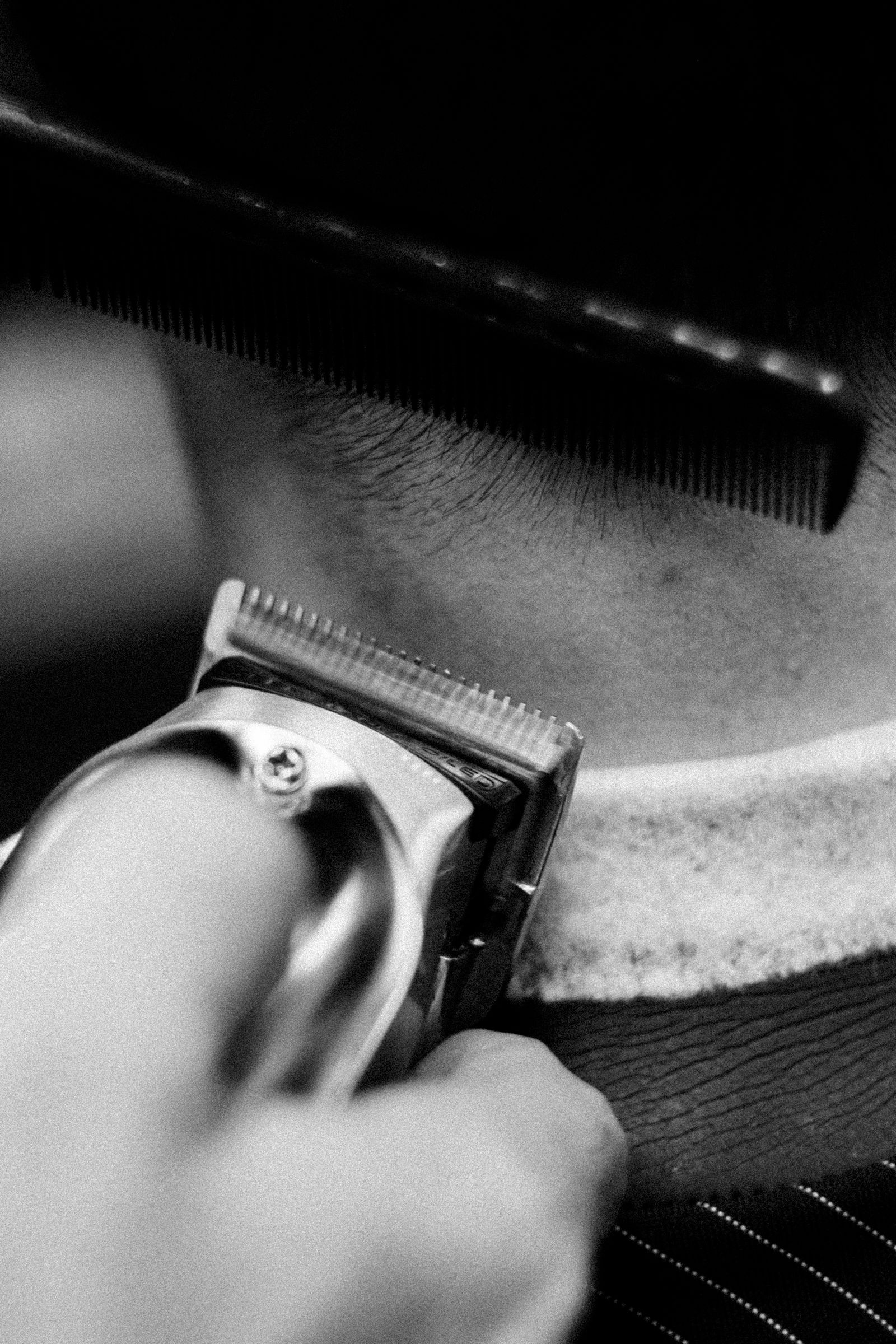
How hats and helmets change the rules
Headwear does three things to hair. It flattens volume along the hat's contact ring, it traps heat and sweat against the scalp, and it adds friction at the edges, which over months can irritate the hairline. Long, high styles suffer most because they store the most shape to lose. A pompadour under a hard hat is a morning sculpture with a noon collapse scheduled into it.
Sweat changes the maintenance side too. A covered scalp in North Carolina humidity gets washed more often, and styles depending on product get rebuilt daily whether you planned that or not. This pushes the sensible choice toward cuts that look right with water and fingers alone, reserving product for days off. It also argues for attention to scalp comfort: rinse sweat out when you can, let the scalp dry fully before the hat goes back on, and mention any persistent itching or flaking at your appointment.
| Your covered hours | Best cut family | Recovery needed |
|---|---|---|
| Hard hat or helmet, most of the day | Buzz, high and tight, very short fade | Rinse and towel; no styling required |
| Work cap, half the day | Short textured crop, tapered sides | Damp hands, push into place, one minute |
| Cap on and off, errands and driving | Short to medium crop or classic taper | Water and fingers; light product on days off |
| Helmet for commuting rides | Short back and sides, modest top | Splash and reshape; avoid stiff products |
| Hat mostly for sun, outdoors | Most short-to-medium cuts work | Choose looser fit to limit the compression ring |
Choosing by your actual day
For all-day hard hat and helmet wear, very short is the honest winner. A buzz, a short fade, or a tight crop has almost nothing to flatten, dries fast, and looks the same at the end of a shift as at the start. The recovery routine is a rinse and a towel. If your work allows it, this category of cut removes hat hair from your life rather than managing it.
For part-day cap wear, a short-to-medium textured crop is the sweet spot. Texture gives the hair a broken, natural finish that survives compression because it never relied on height. Keep the sides tidy so the hat ring sits on short hair, and style the top by pushing it in its natural direction with damp hands when the cap comes off. Avoid heavy, stiff products, which set the hat's shape into the hair and advertise exactly what happened.
The two-minute recovery
Whatever cut you choose, the recovery is the same small ritual. When the hat comes off, get a little water on your hands or use a sink splash, work it through the flattened ring, and set the hair in its intended direction. A quick blast of air or thirty seconds of toweling revives most short cuts. Doing this immediately matters, because sweat-dried hat shape sets harder the longer it sits.
If your job includes a midday moment where appearance counts, a meeting, a client stop, a photo, plan the hat around it rather than hoping for the best. Hair recovers well once. By the third compression of the day, only the very short cuts still look intentional, which is exactly the kind of fact to weigh before choosing, not after.
Keeping it up between visits
A good barber visit runs on information. Tell the barber how long it has been since the last cut, what you have been doing at home, and what has been bothering you in the mirror. That short conversation saves guesswork. Most disappointments in the chair come from a vague request, not from bad cutting, and two minutes of plain talk at the start prevents weeks of growing out a misunderstanding.
Tools matter less than condition. Clippers, scissors, and razors all do poor work when dull or dirty, which is one reason a shop cut holds its shape longer than most home attempts. At home, keep any trimmer clean, oiled as the maker directs, and stored dry. If a home fix starts to involve correcting a correction, stop. A barber can level almost anything that still has length, but very little that has been cut too short.
Common questions
Will wearing a hat make my hair fall out?
Ordinary hat wear does not cause hair loss. Very tight headwear worn constantly can irritate the hairline and break hairs with friction, which is a fit problem, not a baldness problem. Loosen the fit and mention irritation to your barber.
What product survives a hat best?
None fully, which is the point of choosing a cut that does not need it. If you use product, apply it after the hat comes off, not before, and keep it light and matte.
How do I handle the ring mark for an evening out?
Wash or thoroughly rinse and dry the hair, then style as normal. The mark is compressed, sweat-set hair, and a full reset with water removes it completely.
Photos in this guide are representative stock images.
← All guides from Fresh Cutz Barbersh← Back to Fresh Cutz Barbersh