Trends in men's hair arrive loudly and leave quietly, but three cuts have stayed in the chairs for generations because each one solves a permanent problem. The side part brings order. The crop brings ease. The classic contour brings a shaped, deliberate silhouette. At Fresh Cutz Barbersh in Shelby, all three are weekly requests from men of very different ages, which is usually the sign of a cut that is a tool rather than a fashion.
Choosing between them comes down to your hair, your mornings, and your calendar. Each carries a different maintenance rhythm across the year, and the man who picks the cut whose rhythm matches his life keeps it looking right with the least effort. Here is the plain tour, without the nostalgia.
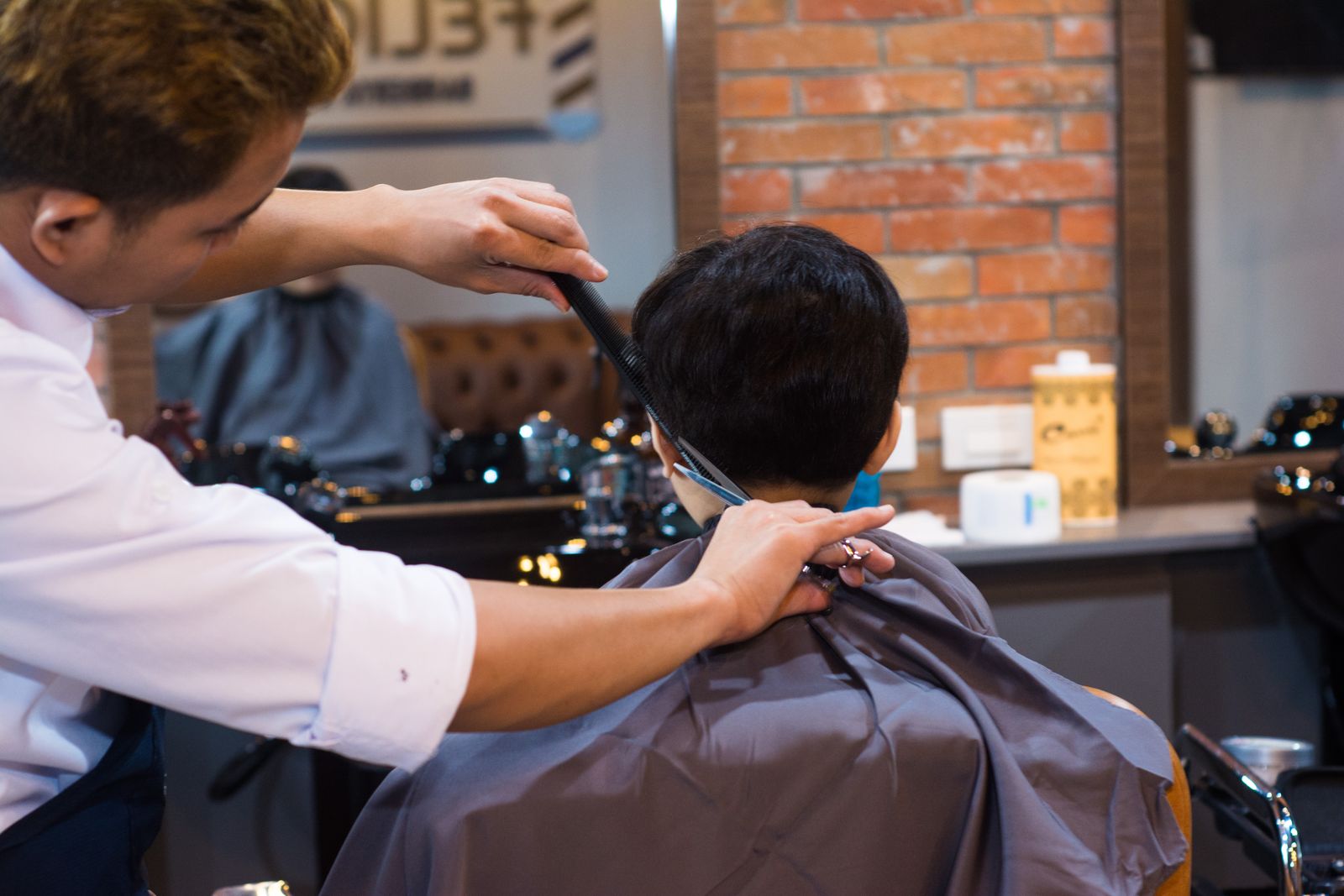
The side part: order, made visible
A side part divides the top into a clear direction, with hair combed to one side, a defined part line, and tapered or faded sides beneath. It suits straight to slightly wavy hair and faces that benefit from structure, and it reads tidy in every setting from office to wedding. The part itself can be natural, following your growth, or shaved in as a hard part for a sharper line.
Its weakness is honesty: the side part shows growth quickly along the part line and the sides, and it asks for a minute or two of combing each morning. On the calendar, it wants a refresh every three to four weeks, with the part re-established before it blurs. Summer humidity tests the comb-over direction, so many Shelby men wear it slightly shorter from June through August and let it relax longer in winter.
| Cut | Best hair | Morning effort | Visit rhythm |
|---|---|---|---|
| Side part | Straight to slight wave | Comb and light product, 2 minutes | Every 3 to 4 weeks |
| Crop | Most types, including thinning | Damp hands, under a minute | Every 4 to 5 weeks |
| Classic contour | Thicker, cooperative hair | Product and shaping, 3 to 5 minutes | Every 3 weeks |
The crop: the low-effort professional
The crop keeps the top short and textured, usually with a blunt or slightly uneven fringe forward, and short sides. It suits most hair types, including wavy and thinning hair, because the forward texture covers well and nothing depends on height or a precise line. It is the easiest of the three to live with: damp hands, perhaps a little matte product, done.
Its calendar is forgiving in a different way. The crop grows out softly, so a four-to-five-week cycle works for many men, though the fringe reaching the eyebrows is the usual signal to book. It handles hats, humidity, and gym mornings better than either rival, which is why it is the default recommendation for men who say they want to do almost nothing. In winter it can carry slightly more top length for warmth without changing character.
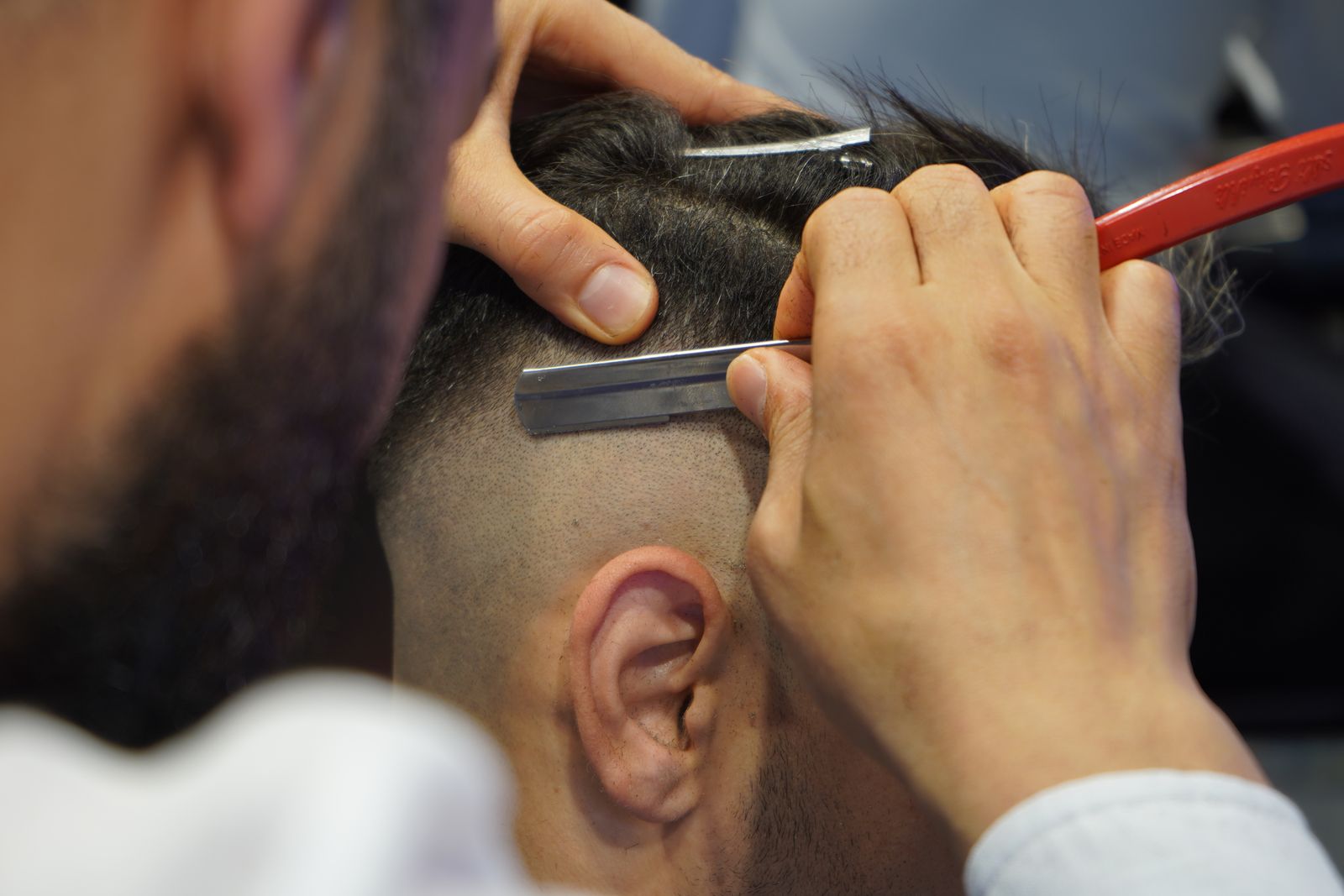
The classic contour: shaped on purpose
The contour, sometimes called a regular or executive cut, is a scissored shape that follows the head: longer, combed-back or side-swept top with volume, neatly tapered sides and back. It suits thicker hair and men who enjoy the ritual of a considered look, and it photographs as deliberate in a way the other two do not try to.
It is also the highest-maintenance of the three. The silhouette depends on length, so it needs product and a few real minutes most mornings, and a barber visit every three weeks to keep the shape designed rather than overgrown. Through the year it shines in the cooler months, when longer hair behaves, and demands the most discipline in summer. Men who love it accept that trade openly, which is the whole secret to wearing it well.
Keeping it up between visits
Hair changes with the seasons in Piedmont North Carolina. Summer humidity swells hair and makes edges look soft sooner. Winter air dries the scalp and can make the same cut feel tighter and itchier. Pollen season adds its own problem in spring, when hats, rinsing, and frequent washing all affect how a cut sits. A schedule that works in January may need a small adjustment by July, and that is normal.
Growth is steady and unsentimental. Scalp hair grows roughly half an inch a month for most adults, a little faster in warm months and a little slower with age. That simple rate explains most maintenance schedules. Two weeks after a short cut the outline has moved noticeably, and by four to six weeks the shape the barber built has changed enough that styling takes longer each morning.
Common questions
Can I switch between these cuts easily?
Yes. All three share short-to-medium territory, so moving between them usually takes one transitional cut rather than a grow-out. The contour-to-crop direction is instant; crop-to-contour needs a few weeks of top growth.
Which one suits thinning hair best?
The crop, worn forward and textured. The side part can work if the part side still has good coverage, while long contour styles tend to expose thinning at the crown and hairline.
Which is best for a man who wears hats daily?
The crop again, for its soft grow-out and indifference to being flattened. The side part recovers with a comb and water, and the contour suffers most from a full day under a hat.
Photos in this guide are representative stock images.
← All guides from Fresh Cutz Barbersh← Back to Fresh Cutz Barbersh